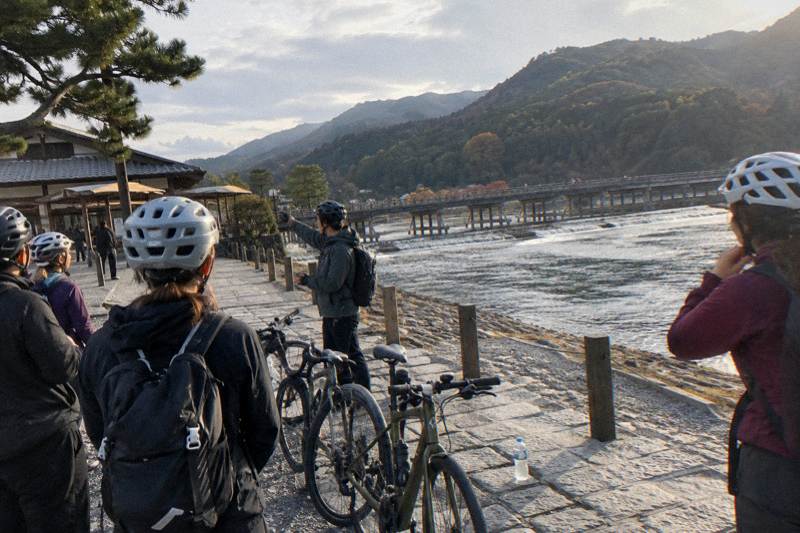
Bike Parking In Kyoto: Where To Leave Your Bike And Avoid Removal Fees
Kyoto removes illegally parked bicycles across nearly the whole city and charges 3,500 yen to return one. Here is how the system works and how riders avoid it.
Short answer
Illegally parked bicycles in Kyoto are removed and stored; reclaiming one costs 3,500 yen per bicycle, or 5,000 yen for a scooter. Removal strengthening areas cover nearly the whole city, storage depots such as Sanjo Senbon open daily noon to 9 pm, and stored bikes are held for 4 weeks from the day after removal.
Leaving a bike in the wrong place in Kyoto has a concrete price: 3,500 yen to get it back after removal, plus a trip to a storage depot. Riders who book a gentle guided backstreet ride hand that problem to an operator, and this article walks through the rules for everyone else, from the removal system to the fine print that catches visitors out.
| Fact | Detail |
|---|---|
| Removal fee per bicycle | 3,500 yen (scooters 5,000 yen) |
| What the fee covers | Removal and storage costs |
| Where removal happens | Bicycle removal strengthening areas covering nearly the whole city |
| Storage depot example | Sanjo Senbon, open daily noon to 9 pm |
| How long a bike is held | 4 weeks from the day after removal |
| Liability insurance | Required for bicycles under the Kyoto Prefecture ordinance |
| Helmet | Effort duty for every age since 1 April 2023, no fine |
| Blue-ticket fines | From 3,000 to 12,000 yen for riders aged 16 and over since 1 April 2026 |
What Happens To Illegally Parked Bicycles In Kyoto?
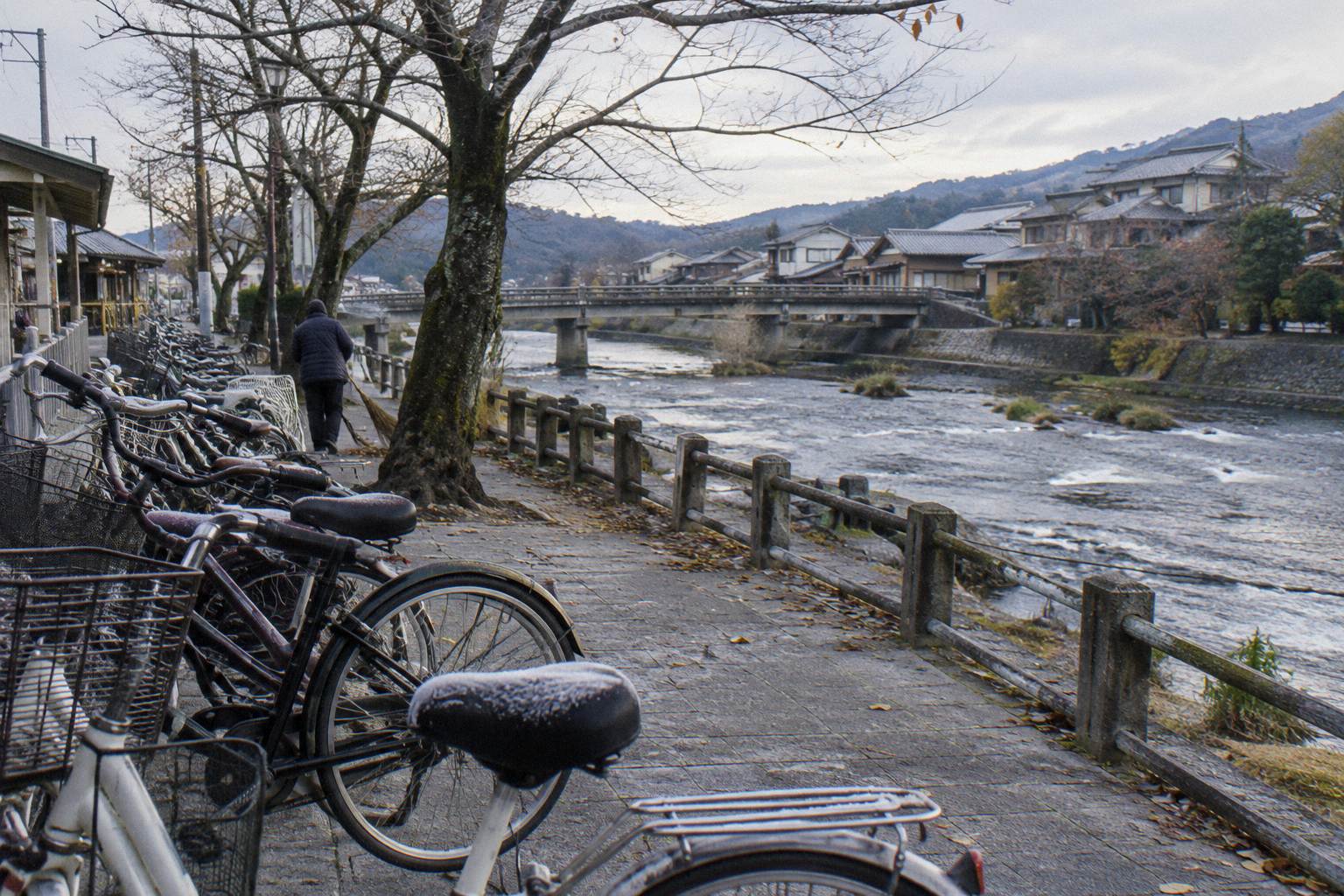
Kyoto City removes bicycles left in no-parking zones and stores them at depots until the owner pays 3,500 yen to reclaim each bicycle, or 5,000 yen for a scooter. The city explains that the fee covers the cost of removal and storage. Stored bikes are kept for 4 weeks from the day after removal, so the clock starts almost immediately, and a rider who waits too long can lose the bike entirely.
The removal system exists because Kyoto is a compact city where footpaths do double duty. Bicycles left against fences, in front of shopfronts or across sidewalks get tagged and carted away by the city's removal crews. There is no warning period built into the process on paper: a bike parked in a signed no-parking area can be taken the same day it is left. The Kyoto City page on removed bicycles sets out the fee, the storage arrangement and the reclaim procedure in full.
For a visitor on a rental, a removal is worse than the fine suggests. The rental contract stays in your name while the bike sits in a depot, and the rental operator will still expect the bicycle back. The reclaim trip itself eats half a day: you need to get to a depot such as Sanjo Senbon during its opening hours, daily noon to 9 pm, pay the fee, and ride or walk the bike back to where it belongs.
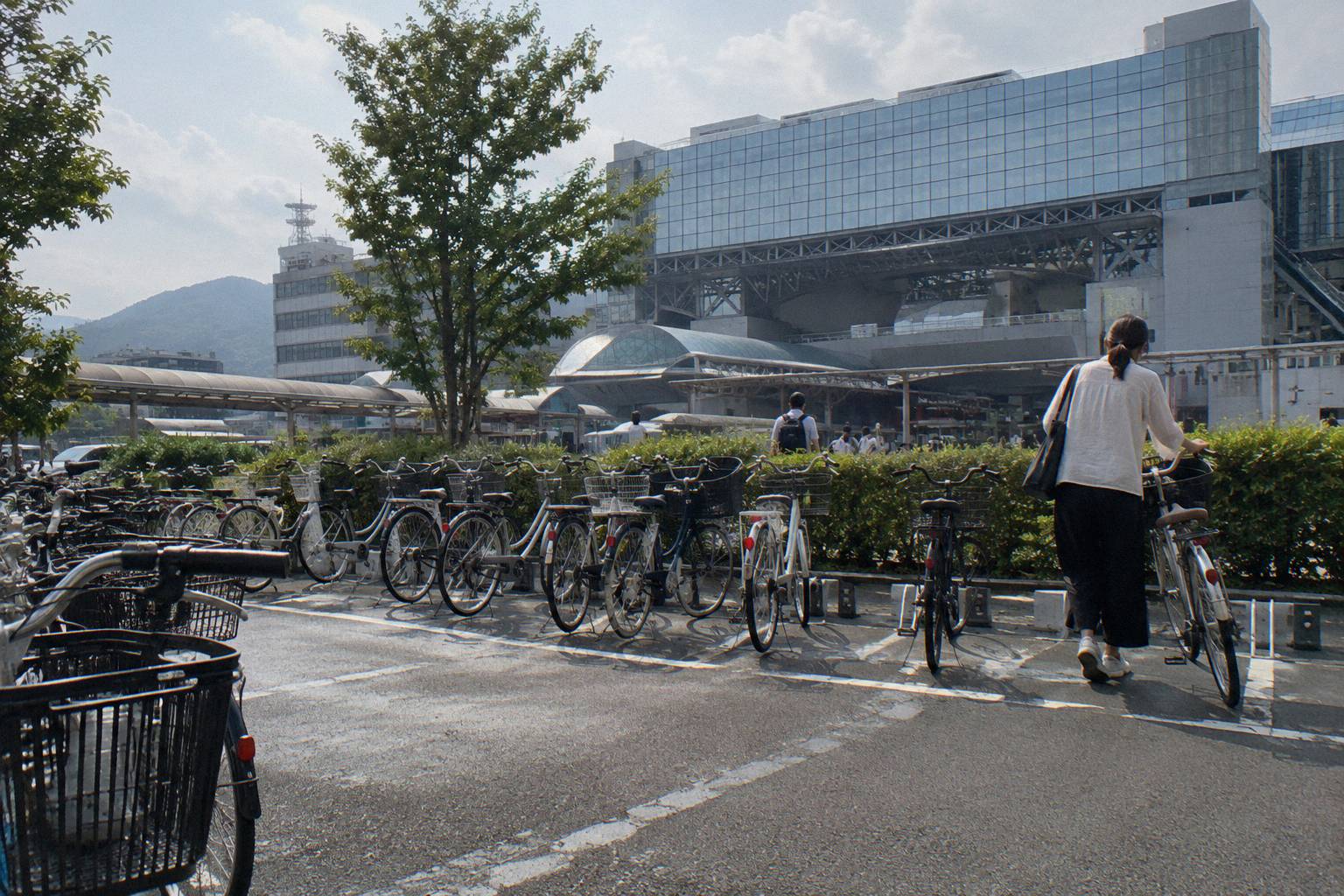
The scope of the enforcement is the part visitors underestimate. Removal does not only happen around the main station. The city designates bicycle removal strengthening areas, and those areas cover nearly the whole city, so a quiet residential corner is not automatically a safe place to lean a bike. If there is a rack nearby, that rack is the answer; if there is not, the bicycle may need to move with you rather than wait outside your stop.
A guided ride removes most of this exposure. On the Gentle Backstreet Ride ("South Kyoto in a Nutshell: Gentle Backstreet Bike Tour!"), from ¥12,000 per person for 3 hours to 4 hours, rated 5.0 from 279 reviews with a minimum age of 13, the guide leads the group and manages the stops, so the bike is with the ride rather than parked alone.
Where Does Kyoto Remove Bikes And Where Are They Taken?
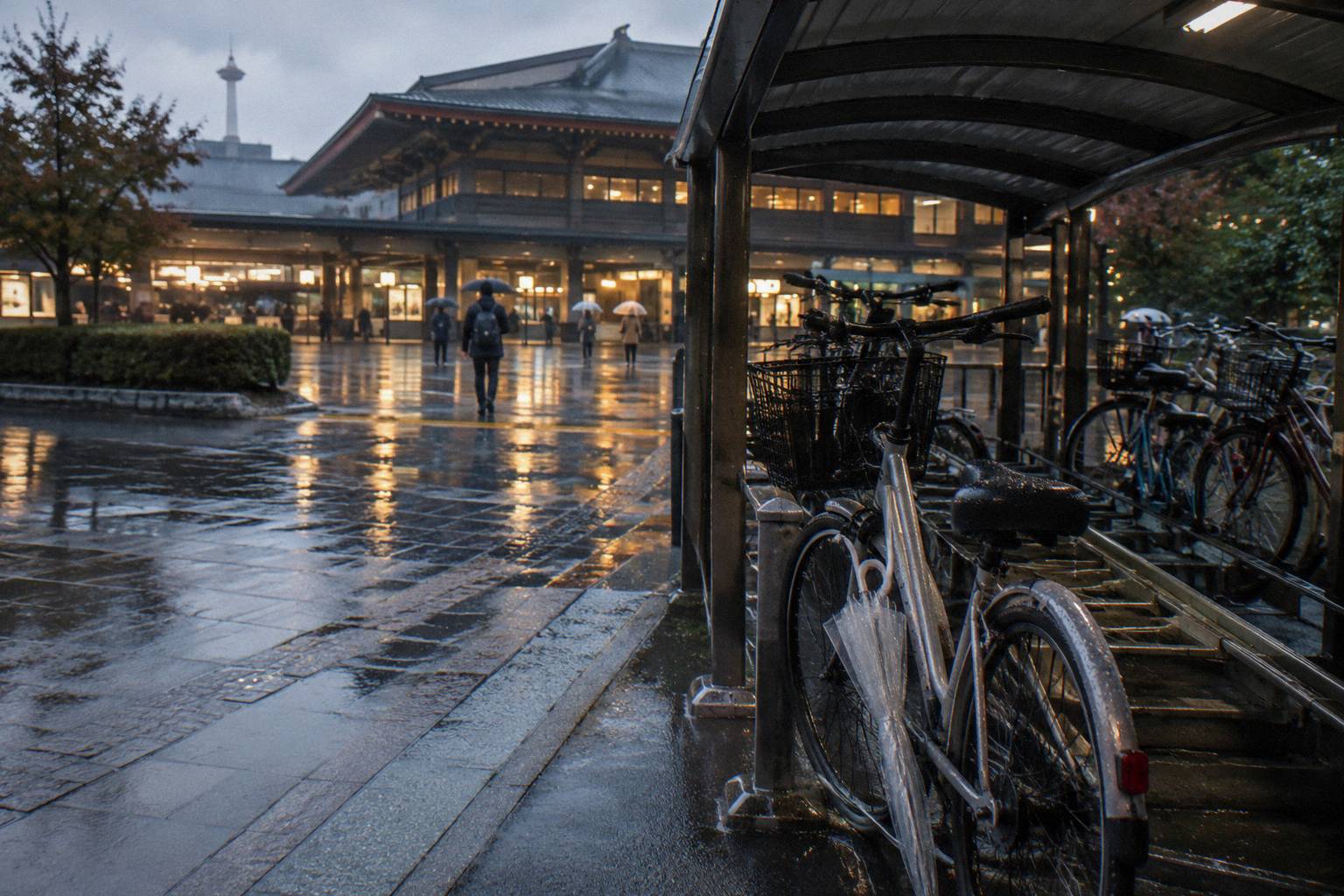
Removal crews operate in designated bicycle removal strengthening areas, which cover nearly the whole city of Kyoto, and removed bikes go to city storage depots. One named depot, Sanjo Senbon, opens daily from noon to 9 pm. A reclaimed bike costs 3,500 yen. Because the strengthening areas are citywide in practice, the safe assumption is that any bicycle left outside a designated parking spot is exposed to removal, wherever in Kyoto it is.
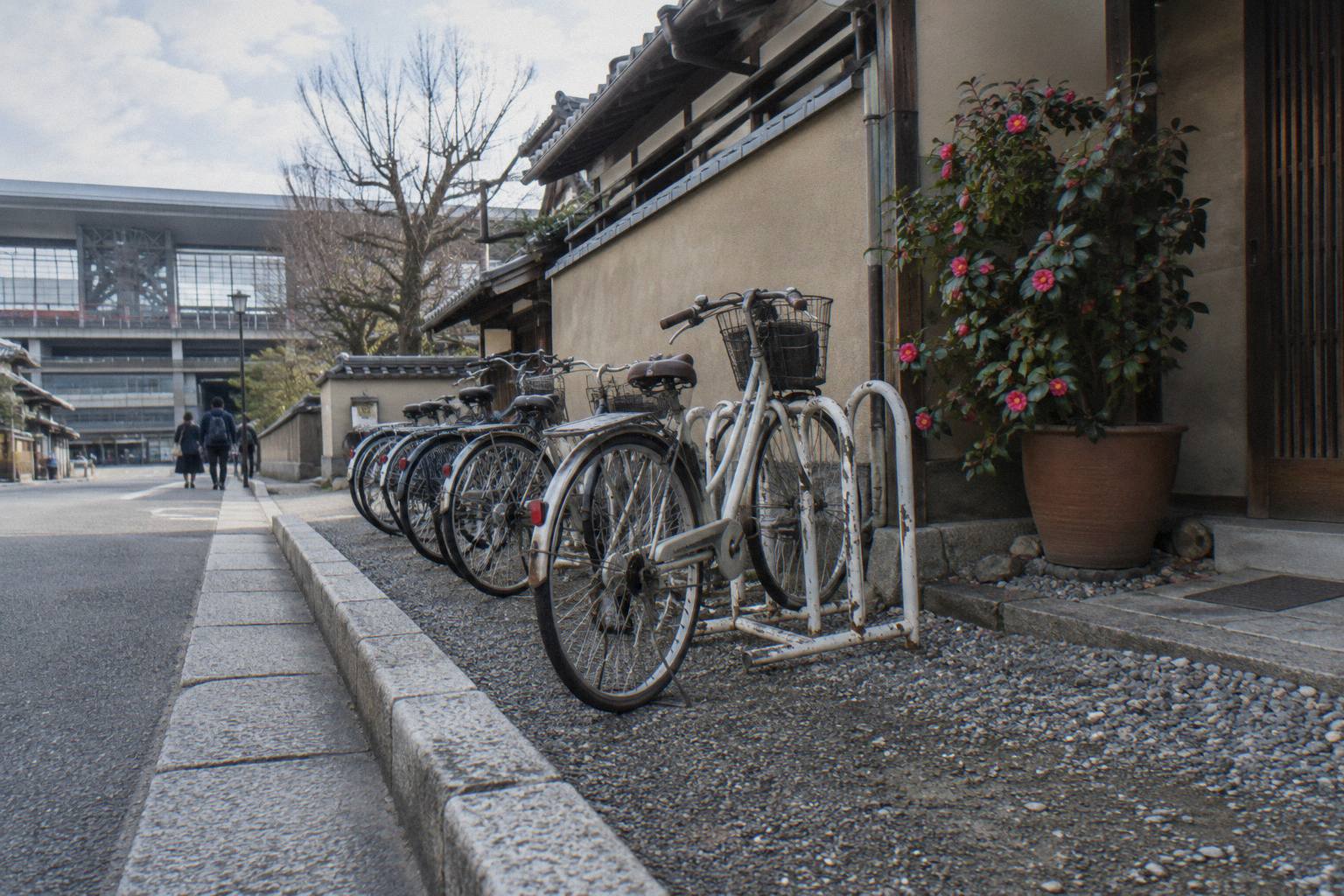
The city publishes the framework rather than a street-by-street map of enforcement priorities, and no reliable area-specific parking guidance exists for Gion, Kawaramachi, Kyoto Station or Arashiyama. What a rider can rely on is the general rule: designated bicycle parking areas are the only places a bike is meant to stay, and everywhere else inside the strengthening areas is fair game for the crews. The practical reading is simple. Park at a rack, or keep the bike with you.
- Budget Fare, Hidden Alleys¥11,000
- Crowd-Free E-Bike Ride¥13,000
- Higashiyama Heritage Ride¥13,500
- Fushimi Inari, Sento Stop¥13,500
- Morning Ride From Station¥14,000
- Silver Pavilion, Philosopher's Path¥14,500
- Backstreets, 5 To 6 Hours¥15,000
- Palace, Castle And Temples¥16,500
The depot side of the system matters for planning. If a bike does disappear mid-ride, the likeliest explanation is removal, not theft. The depot hours, noon to 9 pm daily at Sanjo Senbon, mean a bike removed in the morning cannot be reclaimed until the afternoon, and a bike removed late in the evening means waiting until the next day. Budget for that possibility if your schedule is tight, and factor in the 4-week storage window: bikes are held from the day after removal, and the city disposes of unclaimed bicycles after that.
One way to sidestep the entire question is to let a ride's itinerary absorb the stops. Guided products are structured so the group arrives together, parks together and leaves together, usually at spots the operator uses regularly. The trade-offs of that arrangement versus riding alone are covered in the guided versus self-guided comparison, and the removal mechanics are only one of the reasons riders give for choosing a guide.
Riders comparing formats have several options that handle the bike throughout the day:
Whichever format fits, check the booking calendar for the date you want, because availability varies by day and group size.
How Much Does It Cost To Get A Removed Bike Back?
The reclaim fee is 3,500 yen per bicycle and 5,000 yen for a scooter, charged once per removal and explained by the city as covering removal and storage costs. Payment happens at the storage depot when you collect the bike. The fee is on top of whatever your rental agreement says about a missing bike, so a removed rental can end up costing considerably more than the official figure.
The 3,500 yen is fixed, not a range, and it applies per bicycle, so a pair riding together who both park badly pay twice. The Kyoto City removal and storage page gives the fee structure and the four-week holding rule, and there is no discount or appeal process described for first offences.
Beyond the removal fee, a rental rider faces a second bill at the shop. A rental contract typically runs on time, and a bike sitting in a depot is still out on that contract. Ask your rental operator how it treats a removal before you set off, because the handling differs between companies and the answer belongs in your planning, not your imagination.
Compare that risk against the cost structure of a guided ride. The UNESCO Zen Temples, Lunch ride ("4.5-Hour Kyoto Bike Tour with Lunch and UNESCO Zen Temples"), from ¥15,000 per person for 4 hours 30 minutes, rated 5.0 from 145 reviews with a minimum age of 15, names a bike lock among its inclusions, and the guide manages where the group stops. For a rider whose main worry is the parking question, that line item answers it directly.
Free cancellation up to 24 hours before start applies to the Gentle Backstreet Ride, so booking ahead carries little risk if your plans shift.
| Cost Item | Amount | Who Pays It |
|---|---|---|
| Bicycle reclaim fee after removal | 3,500 yen per bicycle | The person collecting the bike |
| Scooter reclaim fee after removal | 5,000 yen | The person collecting the scooter |
| Rental charges while the bike is impounded | Set by the rental operator | The renter |
| Blue-ticket fines for riding violations | 3,000 to 12,000 yen | Riders aged 16 and over |
Does A Guided Ride Handle Parking For You?
On a guided ride the operator manages the bicycle for the whole duration, including where the group stops and how the bikes are handled at each stop, so the removal question largely disappears for the participant. Several rides also supply a bike lock, such as the UNESCO Zen Temples, Lunch ride from ¥15,000 per person. For anyone who finds the parking rules daunting, a guided format converts an open-ended risk into a fixed price and a fixed itinerary.
The logic is structural rather than incidental. A guided group moves as a unit: the guide picks the stops, times the pauses and keeps the bikes together, so no participant is ever deciding alone where to leave a bicycle outside a temple. The roster of rides here shows the range of formats that work this way, from half-day loops to full-day circuits.
Price and duration differ between the options, and prices vary by date and group, with the booking page showing the price for the date. The Backstreets, 5 To 6 Hours ride ("Kyoto Backstreets and Hidden Gems E-Bike Tour"), from ¥15,000 per person, rated 4.9 from 210 reviews with a minimum age of 3, includes an e-bike for every participant, bottled water, helmets and all fees and taxes, which means the mechanical and legal admin sits with the operator rather than with you.
Guided formats also carry a consistency a solo rider cannot buy. The same guide who leads the route is the person who knows which spots the group uses and when, and the operator holds the parking arrangements across every departure. A rider going alone has to solve that from scratch at every stop, in a city where removal areas cover nearly all of it.
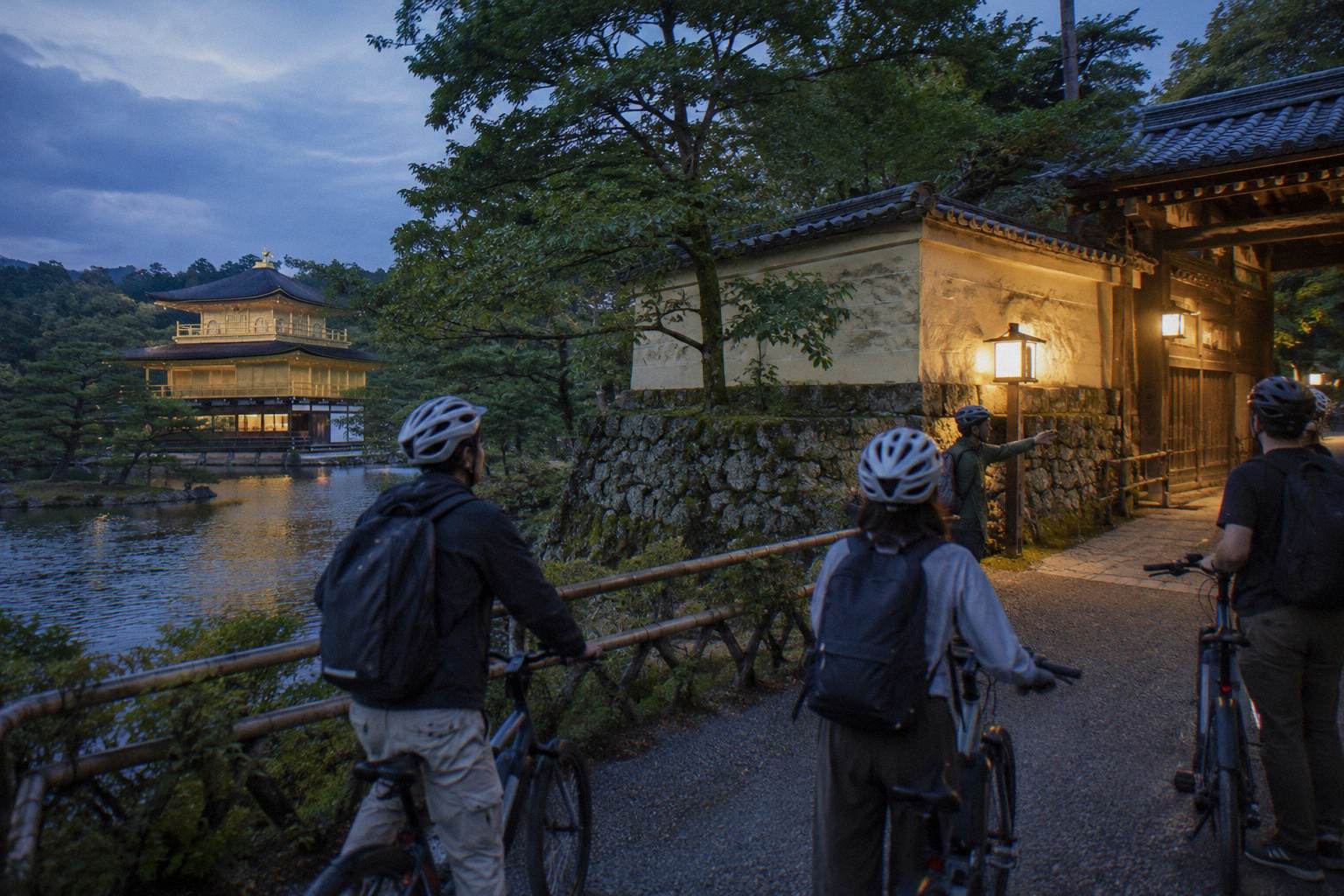
Evening formats deserve a mention here. The Night Ride By Lantern Light ("Discover Kyoto at Night by Bike"), 3 hours 45 minutes with a minimum age of 10 and rated 4.9 from 53 reviews, includes all entrance fees and the use of the bicycle, so the logistics of a night stop stay with the guide. Its price is on the booking page. If your days are full, an evening guided ride keeps the parking question handled after dark too.
How Do You Park A Rental Bike Safely In Kyoto?
Use designated bicycle parking areas and racks, keep the bike locked whenever it is out of your sight, and never leave it on sidewalks, against building fronts or across footpaths, because removal crews operate across nearly the whole city and the reclaim fee is 3,500 yen. If no rack exists near your stop, take the bike with you rather than improvise, and where a rack does exist, lock the frame, not just a wheel.
Lock discipline and parking discipline are two separate problems and a rental rider faces both. A bike locked perfectly in a no-parking zone still gets removed. A bike parked perfectly in a rack but unlocked is exposed to theft, which is a police matter rather than a depot matter. The ride mentioned above that includes a bike lock shows how seriously operators treat the second problem; riders on their own should match that standard. The rest of the planning pages sit on Kyoto Bike Tours.
The rules for the ride itself matter too, since fines and removals come from the same enforcement ecosystem. Since 1 April 2026, riders aged 16 and over who commit minor violations pay fixed fines of 3,000 to 12,000 yen instead of going through criminal procedure. The Kyoto City page on cycling rules lists the amounts: holding a phone while riding 12,000 yen, ignoring a signal 6,000, riding on the wrong side 6,000, failing to stop at a stop sign 5,000, riding with an umbrella 5,000, and riding two abreast or carrying a second rider 3,000. The full reference set lives in the cycling rules for visitors.
The National Police Agency bicycle safety leaflet summarises the underlying five rules: the roadway is the principle, ride on the left, and the sidewalk is the exception where signs permit or for children under 13, people aged 70 and over and people with disabilities. Those rules shape where a bike may travel, and by extension where it ends up being parked.
Two related rider duties complete the picture. Helmets have been an effort duty for every age since 1 April 2023, with no fine attached, and Kyoto Prefecture requires bicycle liability insurance, which the Kyoto Prefecture page on bicycle liability insurance describes as satisfiable through a bicycle accident policy or a personal-liability rider on home, car or accident cover. Ask your rental operator whether insurance is folded into the rental before you ride.
| Fixed Fine | Amount | Behaviour |
|---|---|---|
| Phone while riding | 12,000 yen | Holding or watching a phone |
| Ignoring a signal | 6,000 yen | Running a traffic signal |
| Wrong side of the road | 6,000 yen | Riding right-side or wrong-lane |
| Stop sign | 5,000 yen | Failing to stop |
| Umbrella | 5,000 yen | Riding with an umbrella open |
| Two abreast or second rider | 3,000 yen | Riding side by side or carrying a passenger |
What Role Does Insurance Play If Your Parked Bike Causes Harm?
Kyoto Prefecture requires bicycle liability insurance under its bicycle ordinance, and a bike that falls over or is knocked onto a pedestrian while parked is exactly the kind of incident that cover exists for. The prefecture accepts a bicycle accident policy or a personal-liability rider on home, car or accident insurance. A rental rider should confirm with the operator whether cover is included, because a locked bike badly placed can cause injury even while unattended.
The insurance requirement is not aimed at moving traffic alone. A liability policy responds when the bicycle causes harm to a third party, and a parked bicycle can do that: a bike toppled by wind onto an elderly pedestrian, or one that blocks an accessible route and forces someone into the roadway. Placement and cover work together. Parking correctly reduces the chance of the incident; insurance responds if the incident happens anyway.
Some roster products make the position explicit. The UNESCO Zen Temples, Lunch ride names bike insurance with bodily injury liability cover among its inclusions, which is the clearest version of the arrangement a rider can hope for: liability handled, lock supplied, stops guided. Other products name insurance among their exclusions, so check the inclusion list on the booking page before choosing.
For riders weighing the total cost of going solo versus booking, insurance is one of the line items that tilts the comparison. A guided ride bundles the bicycle, the stops and often the cover into one price; a solo rental splits those across the rental fee, any insurance the shop offers and the residual risk of a removal or a parking incident. The rental prices and shops guide works through the rental side of that ledger.
| Scenario | Who Handles It | Cost Exposure |
|---|---|---|
| Bike removed while parked alone | You, at the storage depot | 3,500 yen reclaim fee plus rental time |
| Bike damaged or lost on a guided ride | The operator's arrangements | Per the operator's terms |
| Injury caused by your parked bike | Your liability cover | Depends on the policy |
| Riding violation fine, rider 16 and over | The rider | 3,000 to 12,000 yen |
Guided Or Solo: Which Side Of The Parking Problem Do You Want?
A solo rental gives freedom over the route and the schedule but leaves every parking decision with you, in a city where removal areas cover nearly all of it and the reclaim fee is 3,500 yen. A guided ride fixes the itinerary and the stops and typically supplies a lock, with the operator managing the bicycle end to end. Riders who prioritise flexibility accept the parking risk; riders who prioritise a smooth day hand it to a guide.
There is no wrong answer, but there is an informed one. If your plan involves several temple stops with tight timing, the guided side wins on logistics alone. The Full-Day E-Bike, Lunch Included ride ("Bike Kyoto's Grand Loop: Full-Day Kyoto E-Bike Tour - 5 Top Sites"), from ¥26,000 per person for 7 hours to 8 hours, rated 5.0 from 596 reviews with a minimum age of 16, bundles admission fees, a light lunch, an e-bike and a guide, which removes parking, tickets and lunch planning from your day in one booking. See dates on its full-day grand loop ride page, and check availability if a full day fits.
Solo riders who still want structure can plan around the depots: know that Sanjo Senbon opens noon to 9 pm daily, that storage lasts 4 weeks from the day after removal, and that the fee is 3,500 yen per bicycle. Those three numbers turn a bad surprise into a manageable detour. The broader trade-offs, including navigation and route-finding, are worked through in the guided or self-guided cycling comparison.
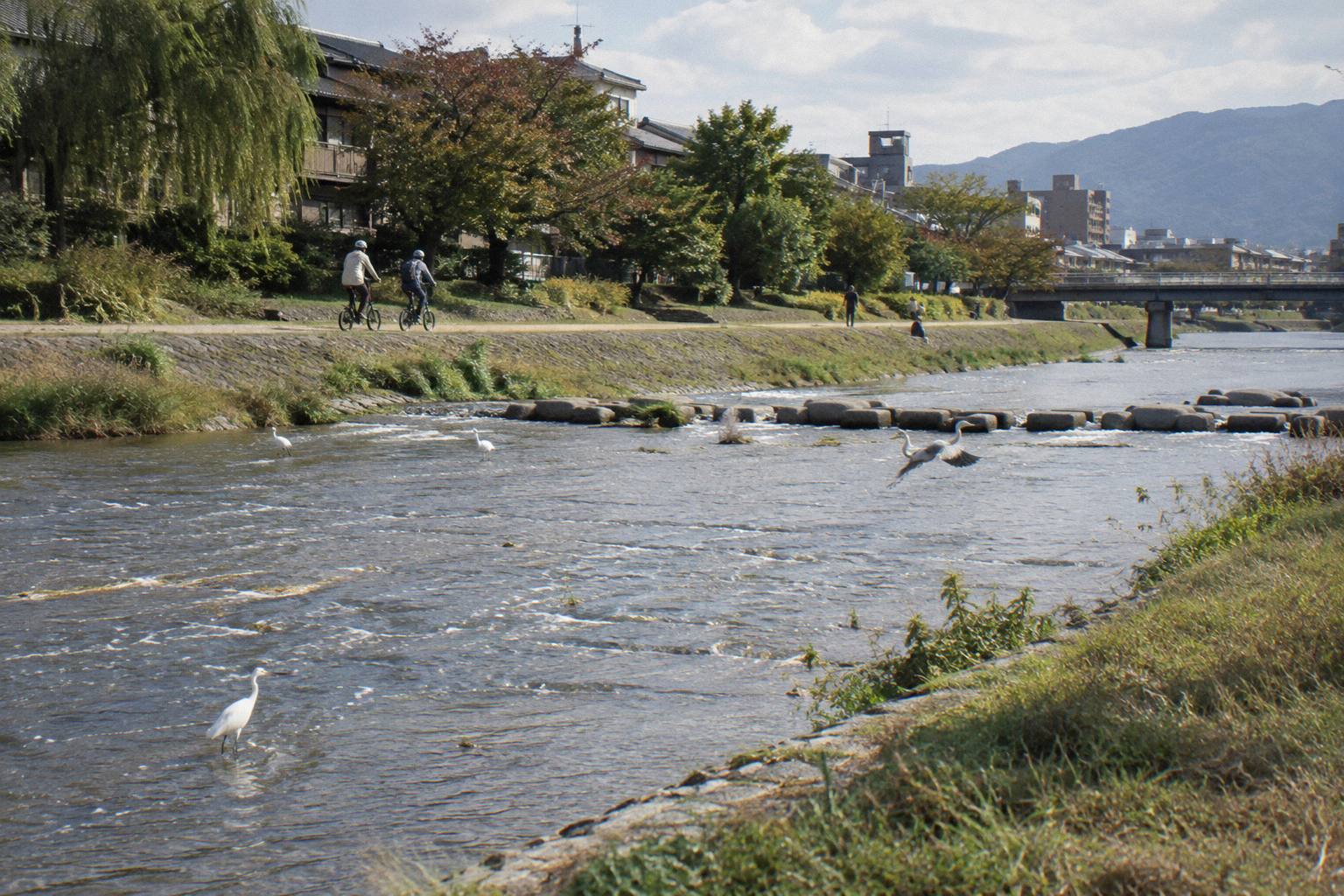
Whichever of these three formats fits your day, each keeps the bicycle with the ride from start to finish, so no stop becomes a parking decision.
What Trips People Up Before You Book
The recurring mistakes are parking outside designated areas, assuming removal only happens near Kyoto Station, skipping the insurance question, and comparing rides on price alone without checking what each one includes. Each is avoidable with one action: use racks, treat the whole city as a removal area, ask about liability cover, and read the inclusion list on the booking page before paying.
The first mistake is the expensive one. A bicycle leaned against a shopfront for ten minutes is as exposed as one left all afternoon, because the removal question is where the bike stands, not how long. Riders who internalise one rule, designated parking areas or the bike comes with you, avoid the 3,500 yen fee entirely.
The second mistake is geographic optimism. Removal strengthening areas cover nearly the whole city, and no reliable area-specific parking guidance exists for Gion, Kawaramachi, Kyoto Station or Arashiyama. Riders who assume enforcement clusters in one district and relax elsewhere are the ones making a depot trip at noon the next day.
The third is the insurance gap. Kyoto Prefecture requires bicycle liability insurance, and not every rental or ride bundles it. One question to the operator before you ride closes the gap: is liability cover included, and if not, does your home or accident policy carry a personal-liability rider? Ask the operator once and write the answer down.
The fourth is a price-only comparison. Two rides at similar from-prices can differ on helmets, water, entrance fees, lunch, the bike itself and the lock. The UNESCO Zen Temples, Lunch ride at from ¥15,000 per person includes a lock, a certified guide, temple entrance and a local lunch; a cheaper ride without those lines is not cheaper once you add them back. Check the live price for your date, then compare the inclusion lists line by line.
Common Questions About Leaving A Bicycle In Kyoto
How Much Does It Cost To Get A Removed Bike Back In Kyoto?
The reclaim fee is 3,500 yen per bicycle and 5,000 yen for a scooter, paid at the storage depot. Kyoto City explains the fee as covering removal and storage costs.
How Long Does Kyoto Keep A Removed Bicycle?
Stored bicycles are held for 4 weeks from the day after removal. Depots such as Sanjo Senbon open daily from noon to 9 pm, so collection has to fit those hours.
Where In Kyoto Are Bikes Removed?
Removal happens in bicycle removal strengthening areas that cover nearly the whole city. No area-specific parking rules are published for Gion, Kawaramachi, Kyoto Station or Arashiyama, so treat every undesignated spot as exposed.
Where Should You Leave A Bike When Visiting A Temple?
Use a designated bicycle parking area or rack near the stop, lock the frame, and if no rack exists take the bike with you. On a guided ride the operator manages the stops, so the participant never parks alone.
Do You Need Bicycle Insurance In Kyoto?
Yes. Kyoto Prefecture requires bicycle liability insurance under its ordinance, satisfied by a bicycle accident policy or a personal-liability rider on home, car or accident cover. Ask your rental operator whether cover is included.
Do Guided Rides Handle Bike Parking For You?
Guided rides manage the bicycle for the whole duration, including every stop, and some supply a bike lock as well. The Gentle Backstreet Ride from ¥12,000 per person and the UNESCO Zen Temples, Lunch ride from ¥15,000 per person are two options that keep the bike with the group.