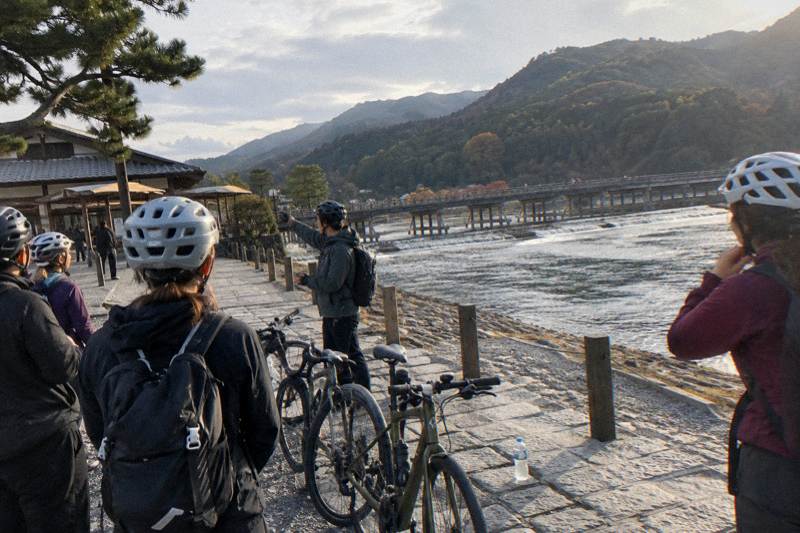
How Do You Lock A Rental Bike In Japan?
How bike locking and parking work for rental bikes in Kyoto: removal fees, legal parking rules, insurance, and which guided rides handle bike stops for you.
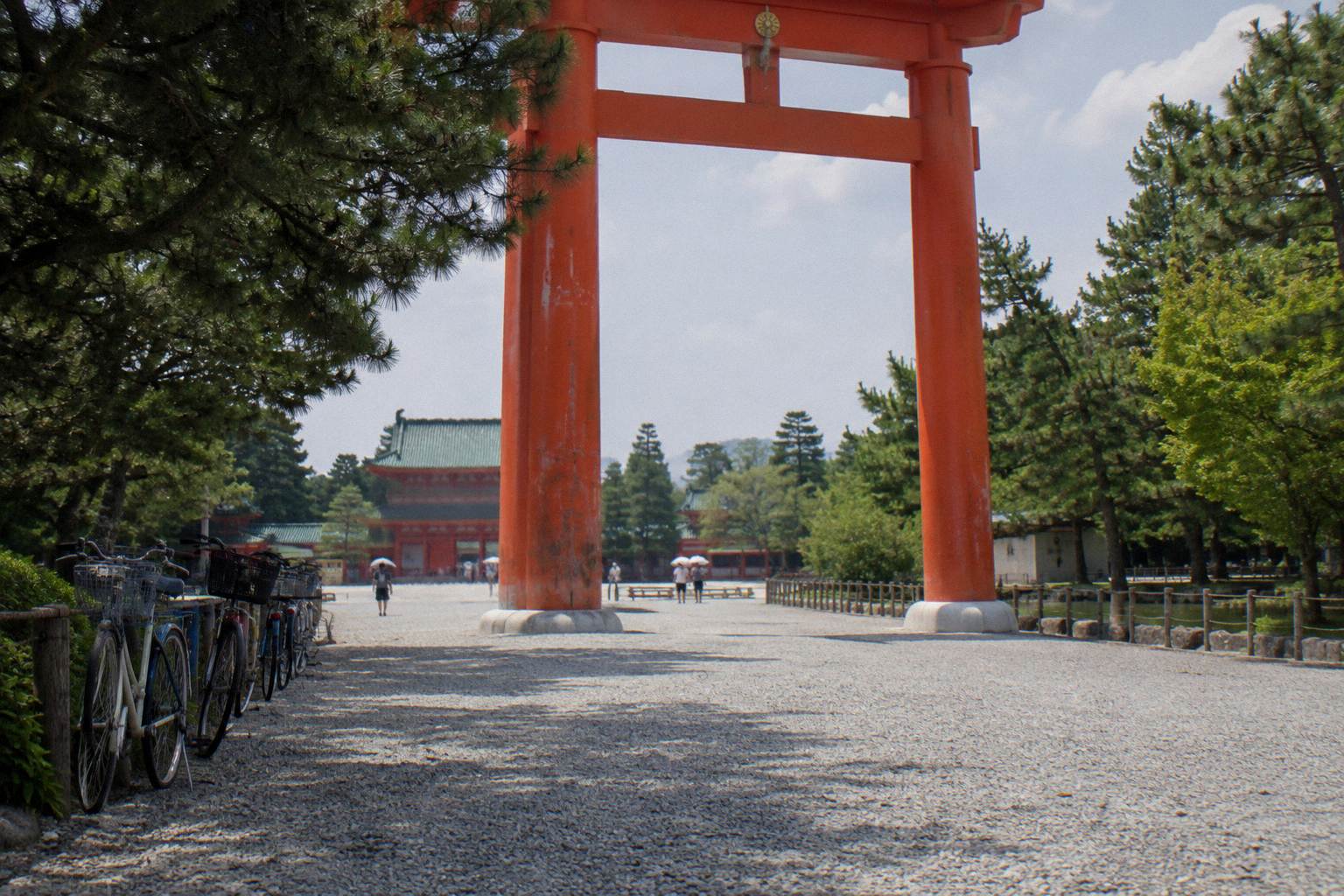
Locking a bike in Kyoto is simple in principle and expensive to get wrong. The short version: lock the frame, park only where parking is allowed, and know that Kyoto City removes illegally parked bicycles and charges 3,500 yen per bicycle to return one. If you would rather not think about any of this, guided rides take the parking question off your plate entirely, and the fuller picture of where to leave bikes in Kyoto covers the parking side in depth. This article walks through what the rules actually say, what removal costs, and which rides include a lock in the first place.
| Fact | Detail |
|---|---|
| Removal fee | 3,500 yen per bicycle to reclaim a removed bike (scooters 5,000 yen) |
| Storage hold | 4 weeks from the day after removal |
| Storage depots | Open daily, noon to 9 pm |
| Helmet duty | Effort duty for every age since 1 April 2023, no fine attached |
| Blue-ticket fines | 3,000 to 12,000 yen for riders aged 16 and over since 1 April 2026 |
| Insurance | Kyoto Prefecture requires bicycle liability insurance |
| Ride with a lock included | 4.5-Hour Kyoto Bike Tour with Lunch and UNESCO Zen Temples, from ¥15,000 per person |
Lock the frame and a wheel to something fixed, or close the lock through the frame alone, then park only in a designated bicycle parking area. In Kyoto the spot matters more than the lock: the city removes illegally parked bicycles almost everywhere and charges 3,500 yen per bicycle to get one back, holding it for 4 weeks. A guided ride sidesteps the question entirely, since the guide manages every stop.
The mechanics of locking are the same everywhere: a lock only needs to stop someone rolling the bike away. What differs in Japan is the enforcement around where the bike stands. Kyoto City designates bicycle removal strengthening areas that cover nearly the whole city, and bicycles left outside designated parking in those areas are taken to a storage depot. The fee to recover one is 3,500 yen per bicycle, and the storage depots, such as Sanjo Senbon, open daily from noon to 9 pm. Stored bikes are held for 4 weeks from the day after removal.
For a rental bike, that turns a parking mistake into a two-party problem: you owe the city 3,500 yen, and you still have to explain a missing bicycle to the operator. No rule on deposits or rental ID appears in any verified source, so ask the operator what their process is if a bike is removed. The cheapest insurance against all of this is not a stronger lock but a ride where someone else handles the stops, and Kyoto has several.
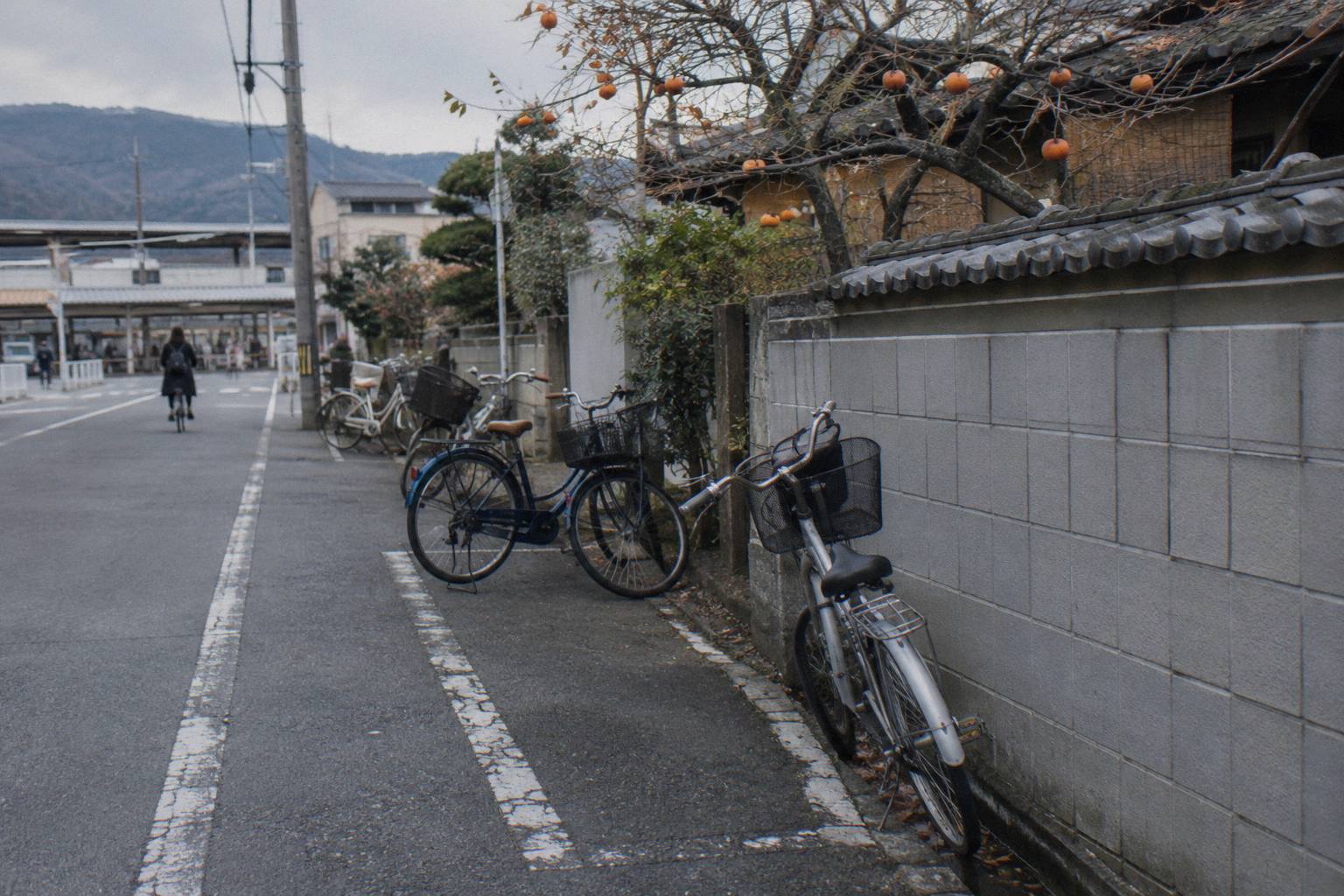
The context for all of this is that Kyoto is a city where bicycles do real daily work, and the parking rules exist to keep pavements and fire-access routes clear. A rental rider is subject to exactly the same removal regime as a commuter. The rules for riding itself also tightened recently: since 1 April 2026, riders aged 16 and over who commit minor violations pay a fixed fine of 3,000 to 12,000 yen under the blue-ticket system, per the Kyoto City page on cycling rules. Parking and riding enforcement together are the reason a guided ride is the low-stress option for a first visit.
There is a helmet angle too, since equipment and rules travel together here. Since 1 April 2023 every cyclist of every age has been under an effort duty to wear a helmet, with no fine attached, as set out on the Kyoto Prefecture page on the helmet effort duty. Practically every ride on this site names a helmet in its inclusions, so the duty is easy to meet on a guided day out. The same cannot be said for locking: only one ride names a lock outright, which is why the question deserves its own section below.
Where Are You Allowed To Park A Bike In Kyoto?
In designated bicycle parking areas, which range from small marked sidewalk zones to staffed lots. Outside them, in bicycle removal strengthening areas that cover nearly the whole city, a parked bike can be removed and taken to a depot. Recovery costs 3,500 yen per bicycle and the depot holds bikes for 4 weeks from the day after removal.
Kyoto City's removal programme is not aimed at tourists specifically; it exists because abandoned bicycles clog pavements across the city. The strengthening areas cover nearly all of it, so the working assumption for a visitor should be that any spot without a parking sign or marking is a removal risk. The Kyoto City page on removed bicycles explains the fee as covering removal and storage costs, and confirms the 4-week hold: after that, the city disposes of the bicycle.
Two practical consequences follow. First, a rental bike is not your property, so removal means a conversation with the operator as well as the 3,500 yen fee. Second, no verified source lists area-specific parking rules for Gion, Kawaramachi, Kyoto Station or Arashiyama, so do not assume any district is relaxed; treat every neighbourhood the same and look for marked parking.
The alternative is to not park at all in contested spots. Guided rides call at temples and shrines that have their own arrangements, and the guide knows them. On the Gentle Backstreet Ride ("South Kyoto in a Nutshell: Gentle Backstreet Bike Tour!", from ¥12,000 per person, 3 hours to 4 hours, 5.0 from 279 reviews, minimum age 13), the operator Cycle Kyoto supplies the bike and helmet, and every stop along the route is managed by the guide rather than negotiated by each rider.
Which Guided Rides Include A Bike Lock?
The 4.5-Hour Kyoto Bike Tour with Lunch and UNESCO Zen Temples explicitly includes a bike lock among its inclusions, along with a rental bike with bodily injury liability insurance, a helmet, photos and entrance to Kennin-ji. It runs 4 hours 30 minutes, costs from ¥15,000 per person, holds a 5.0 from 145 reviews, and takes riders aged 15 and over.
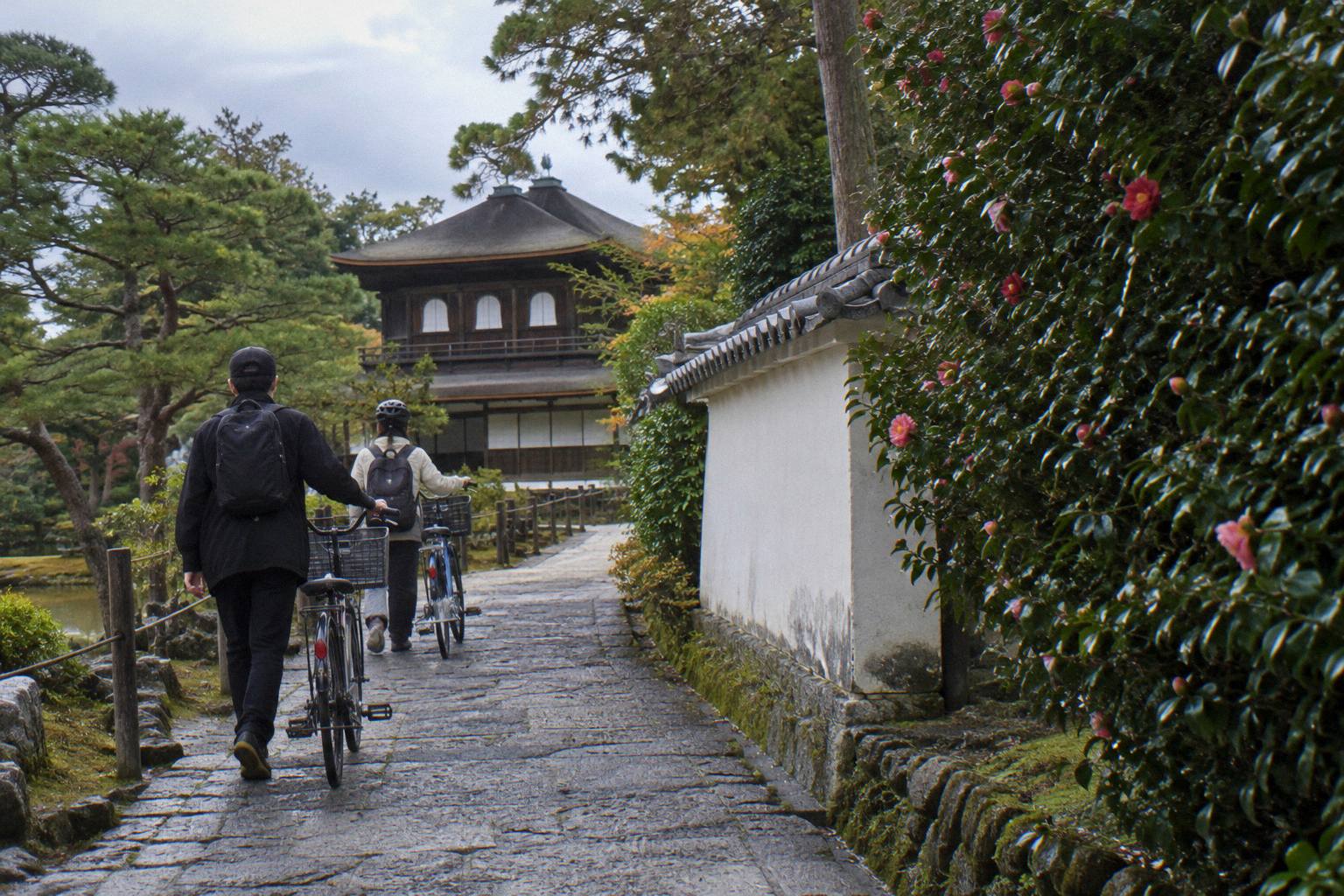
That tour, operated by MagicalTrip Inc., is the clearest answer on this site to the locking question: the lock is named in the inclusions, so the equipment question is settled before you arrive. It also includes a local Kyoto lunch at a Japanese house, with vegan and vegetarian options available, though fish stock is used. Free cancellation applies up to 24 hours before start. You can read the full detail on the UNESCO Zen Temples ride with lunch, or check availability for your date.
Other rides on the roster name bikes, helmets and parking differently. The Palace, Castle And Temples ride ("Kyoto E-Bike Tour of Palace, Castle, Temples and Hidden Gems", from ¥16,500 per person, 6 hours 30 minutes, minimum age 10) includes all parking fees in its price, which removes the parking question for the whole day. The Full-Day E-Bike, Lunch Included ride ("Bike Kyoto's Grand Loop: Full-Day Kyoto E-Bike Tour - 5 Top Sites", from ¥26,000 per person, 7 hours to 8 hours, minimum age 16) includes admission fees and a light lunch. Where a roster line does not name a lock, ask the operator before booking.
| Ride | What It Names For Bike Kit And Stops |
|---|---|
| 4.5-Hour Kyoto Bike Tour with Lunch and UNESCO Zen Temples (from ¥15,000 per person) | Bike lock, rental bike with bodily injury liability insurance, helmet, entrance to Kennin-ji |
| Kyoto E-Bike Tour of Palace, Castle, Temples and Hidden Gems (from ¥16,500 per person) | Premium Panasonic e-bike and helmet, all parking fees, all entrance fees |
| Kyoto Backstreets and Hidden Gems E-Bike Tour (from ¥15,000 per person) | E-bike for everyone, helmets, all fees and taxes |
| South Kyoto in a Nutshell: Gentle Backstreet Bike Tour! (from ¥12,000 per person) | Cannondale bike, helmet, bottled water |
Where you book a ride without a lock named, the equipment is worth one quick question at booking. Most riders never need their own answer to the locking question on a guided ride, because the group parks together under the guide's direction at each stop. The Backstreets, 5 To 6 Hours option ("Kyoto Backstreets and Hidden Gems E-Bike Tour", from ¥15,000 per person, 5 hours to 6 hours, 4.9 from 210 reviews, minimum age 3) is a good example: Memory Kyoto Bike Tour provides an e-bike for everyone, bottled water, helmets and all fees and taxes, and the day's stops run on the guide's plan.
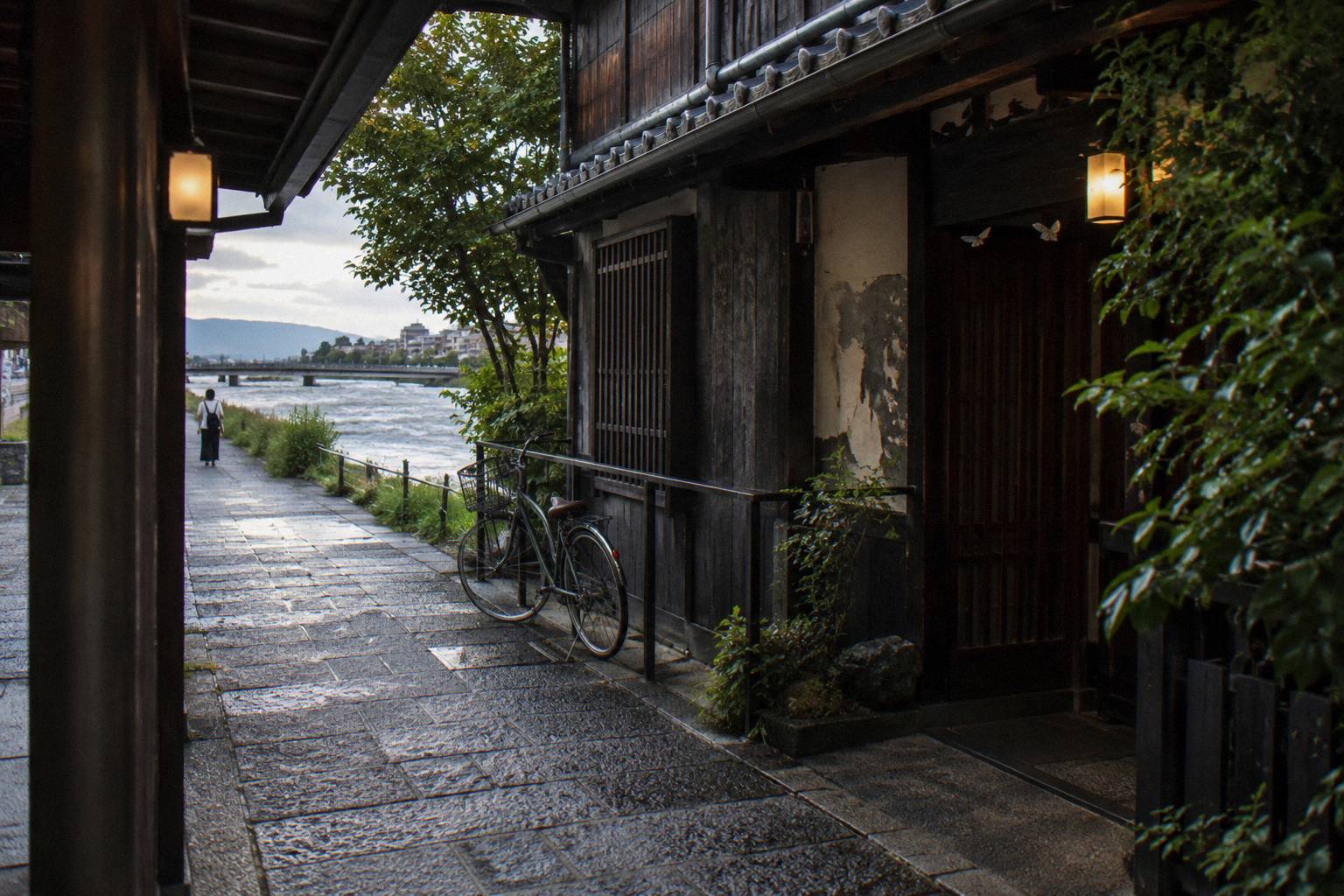
A separate point riders sometimes miss: the bike itself is only part of the legal picture. Kyoto Prefecture requires bicycle liability insurance under its bicycle ordinance, and the prefecture's page names accident, fire and car policies with an individual-liability rider as acceptable, per the Kyoto Prefecture page on bicycle liability insurance. On a guided ride, insurance arrangements are the operator's to make; the UNESCO Zen Temples ride, for instance, includes bodily injury liability insurance with its rental bike, and the Morning Ride From Station ("Beat the Crowds: Pro-Curated Morning E-Bike Tour, Kyoto Sta", from ¥14,000 per person, 3 hours 30 minutes, minimum age 13) names liability insurance among its inclusions too. Riding solo, the insurance duty is yours to satisfy, and it is worth checking before you set off rather than after an incident.
What Happens If Your Rental Bike Gets Removed?
You pay Kyoto City 3,500 yen per bicycle to reclaim it, at a storage depot such as Sanjo Senbon that opens daily from noon to 9 pm, and the bike is held for 4 weeks from the day after removal. You also need to tell the rental operator, since the bicycle belongs to them and their own process for a removed bike is a question for them.
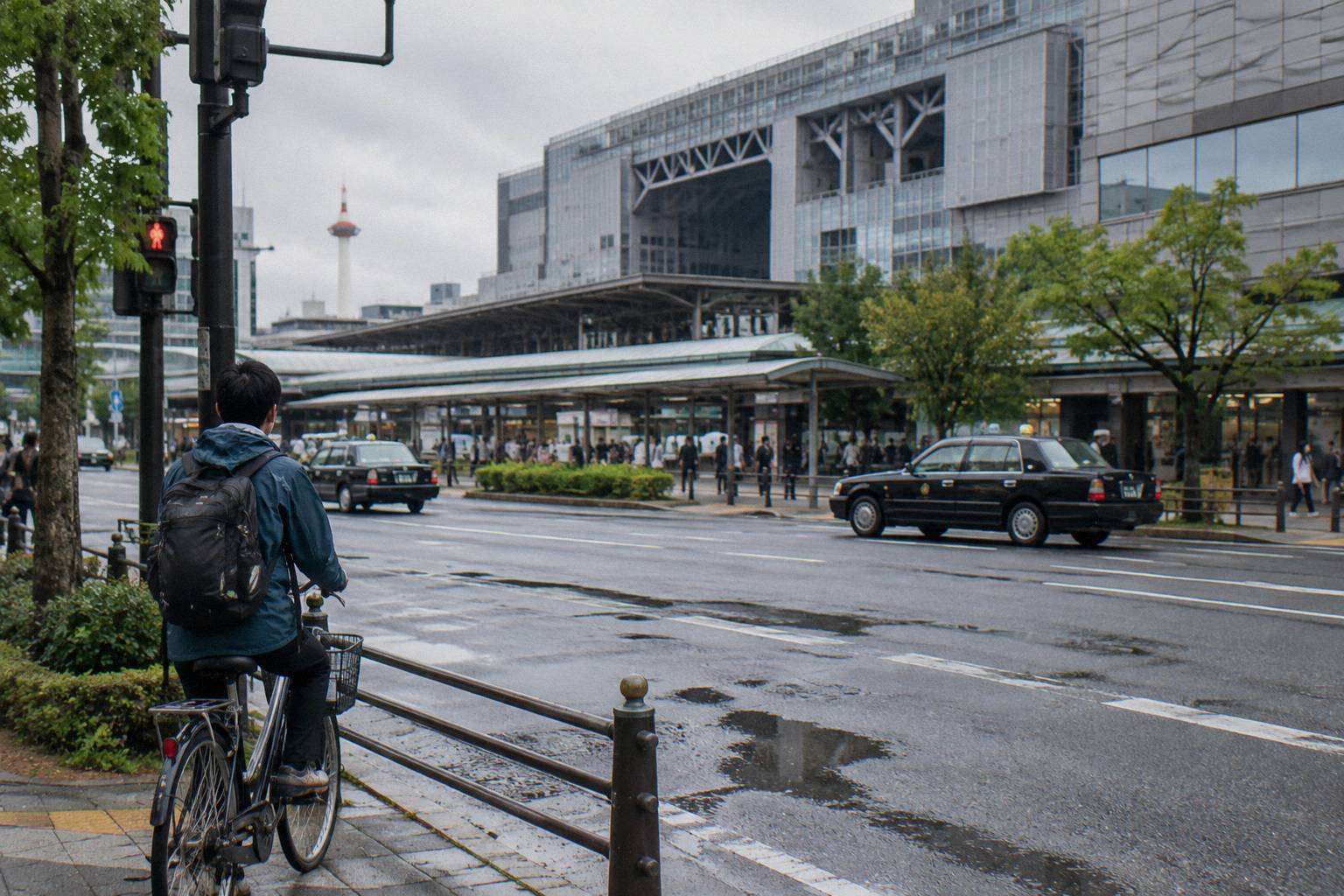
The mechanics are straightforward. Removed bicycles go to a city storage depot; you attend during opening hours, pay the fee, and collect the bicycle. After 4 weeks the city disposes of unclaimed bikes, so a rider who leaves Kyoto without recovering a rental leaves the operator with a loss and themselves with a difficult conversation. No verified source describes what rental operators charge in that situation, so treat it as unknown and avoid finding out. The wider set of guides lives on Kyoto Bike Tours.
The timing catches people as well as the money. Depots open at noon, so a bike removed during a morning ride cannot be collected until the afternoon, which on a one- or two-day visit can consume the useful part of a day. Add the trip to the depot and back, and a single wrongly parked bicycle can cost more time than any guided ride on this site takes in total. The UNESCO Zen Temples, Lunch ride, at 4 hours 30 minutes from ¥15,000 per person, starts to look like the economical option in every sense once that arithmetic is on the table.
The rider-side fix is positional discipline. If you must stop somewhere without visible designated parking, ask at the nearest shop, temple entrance or hotel where staff expect bicycles to stand; the answer varies by location, and no citywide pattern for individual districts appears in any verified source. For everything else, hand the problem to a guide.
Do The New Cycling Fines Affect Parking And Locking?
The blue-ticket system that started on 1 April 2026 covers riding violations, not parking: riders aged 16 and over pay fixed fines of 3,000 to 12,000 yen for minor violations, with holding or watching a phone at 12,000 yen, ignoring a signal or riding on the wrong side at 6,000, and carrying a second rider or riding two abreast at 3,000. Parking is enforced separately through removal and the 3,500 yen recovery fee.
The two regimes run in parallel. Removal handles where the bike stands; the blue ticket handles how it moves. Before 1 April 2026, minor violations went through criminal procedure; now they are settled with a fixed fine on the spot for riders aged 16 and over. Holding a phone to talk or watch the screen has carried its own heavier penalty since 1 November 2024: up to 6 months in prison or a 100,000 yen fine, rising to up to 1 year or 300,000 yen if danger is caused.
Drunk cycling is banned at any level of drinking, with penalties up to 3 years or 500,000 yen for riding over the limit, and lending a bike to a drunk rider carries the same maximum. And one classification note matters for e-bike riders: a pedal-assist e-bike that meets the legal standard is a bicycle, while a throttle-equipped vehicle outside the standard counts as a motorised bicycle or car, not a bicycle. Every e-bike named on this site's rides is a pedal-assist model, so the fines above are the relevant ones for riders here.
| Fine Type | Amount (yen) |
|---|---|
| Phone held or watched while riding | 12,000 |
| Ignoring a signal | 6,000 |
| Riding on the wrong side of the road | 6,000 |
| Failing to stop at a stop sign | 5,000 |
| Riding with an umbrella | 5,000 |
| Two abreast or carrying a second rider | 3,000 |
| Removal fee per bicycle | 3,500 |
None of these figures should put anyone off cycling in Kyoto. They are a reason to ride with an operator who knows the local rules in practice. The night option, Discover Kyoto at Night by Bike (3 hours 45 minutes, minimum age 10, operator Jaime), includes all entrance fees and runs with a guide who manages both the riding and the stopping, which matters after dark when parking spots are harder to judge. You can compare the choices on the guided versus self-guided cycling decision if you are still weighing whether to go with a group.
What Trips People Up Before You Book
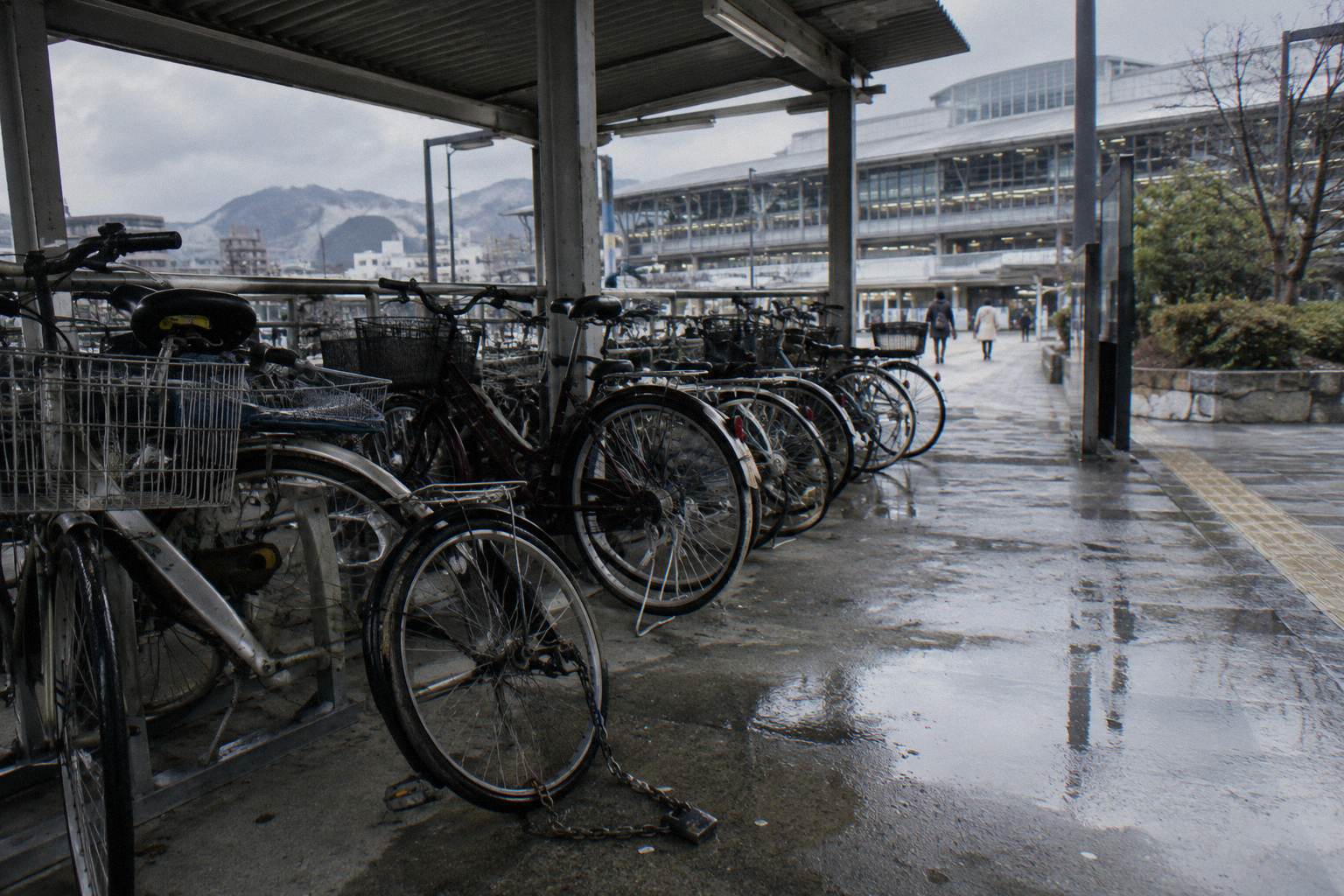
The recurring mistakes are assuming any rail or signpost is a legal parking spot, assuming a ride includes a lock when its inclusions do not name one, and forgetting that a removed bike is a problem with the operator as well as a 3,500 yen problem with the city. Each is avoided by one action: check designated parking, check the inclusions, or book a ride where the guide handles every stop.
The first mistake is the expensive one. A lock through the frame keeps the bike from being stolen, but it does nothing against removal; a locked bike in the wrong place can still be taken, and the fee is the same. Designated parking first, lock second.
The second mistake is assuming equipment. Only one ride on this site names a bike lock in its inclusions, the UNESCO Zen Temples, Lunch ride from ¥15,000 per person. Others name bikes, helmets, water and parking fees but not a lock. One question to the operator settles it, and the free cancellation up to 24 hours before start that applies across these rides means a late answer costs nothing.
The third mistake is timing. Depots open daily from noon to 9 pm, and a bike removed in the morning is not retrievable before noon. On a short trip, that can eat half a day. A guided ride removes the risk entirely; the Early Bird Bamboo Forest Ride ("Kyoto Bamboo Forest & Hidden Gems: Early Bird Easy Bike Tour", from ¥16,000 per person, 3 hours to 4 hours, 5.0 from 773 reviews, minimum age 10) pairs a bilingual guide with a well-maintained Cannondale multi-speed bicycle and helmet, with free cancellation up to 24 hours before start. Between the lock question, the parking question and the fine schedule, the guided option answers all three in one booking, and prices vary by date and group, so the booking page shows the figure for your day.
Common Questions About Locking And Parking Bikes In Kyoto
How Do You Lock A Rental Bike In Japan?
Lock the frame to something fixed and park only in a designated bicycle parking area. In Kyoto the spot matters most: illegally parked bikes are removed and cost 3,500 yen per bicycle to reclaim, with a 4-week hold. Guided rides handle all of this for you.
How Much Does It Cost To Get A Removed Bike Back In Kyoto?
Kyoto City charges 3,500 yen per bicycle (5,000 yen for scooters). The fee covers removal and storage, and bikes are held for 4 weeks from the day after removal at depots open daily from noon to 9 pm.
Which Kyoto Rides Include A Bike Lock?
The 4.5-Hour Kyoto Bike Tour with Lunch and UNESCO Zen Temples names a bike lock in its inclusions, alongside a rental bike with liability insurance, a helmet, photos and a local lunch, from ¥15,000 per person.
Do I Need Bicycle Insurance As A Tourist In Kyoto?
Kyoto Prefecture requires bicycle liability insurance under its bicycle ordinance. On a guided ride, insurance arrangements are the operator's, and some rides name liability insurance in their inclusions. Riding solo, ask your rental operator what coverage applies.
Can My Bike Be Removed Even If It Is Locked?
Yes. A lock prevents theft but does not legalise the parking spot. In bicycle removal strengthening areas, which cover nearly the whole city, a locked bike parked outside designated parking can still be removed, and the 3,500 yen fee applies.
Do Guided Rides Manage Parking At Each Stop?
On the rides featured here, yes, stops are managed by the guide, and some tours include parking fees outright, such as the Palace, Castle And Temples ride from ¥16,500 per person. That is the simplest way to avoid the removal fee entirely.